
As the leaves begin to change color and the crisp autumn air settles over St. Charles, Illinois, it's the perfect time to ensure your home's security is ready for the seasonal transition. Fall brings unique challenges for homeowners, from fluctuating temperatures to increased moisture levels that can affect your locks and security systems. Taking proactive steps now can prevent lockouts, security vulnerabilities, and costly repairs during the colder months ahead. Whether you're preparing for the holiday season or simply winterizing your home, these comprehensive fall locksmith tips will help keep your property secure and your locks functioning smoothly throughout autumn and beyond.
Why Fall Maintenance Matters for Your Home Security
Fall is often overlooked as a critical time for home security maintenance, but the seasonal changes that occur during autumn can significantly impact your locks, doors, and overall security systems. The temperature fluctuations common in St. Charles during September through November can cause metal components to expand and contract, potentially leading to misalignment issues. Additionally, falling leaves, increased rainfall, and early morning frost can introduce moisture and debris into your locking mechanisms, causing them to stick, rust, or fail when you need them most.
By addressing these issues proactively, you're not just preventing inconvenient lockouts—you're also protecting your family and valuables during a time when break-ins historically increase. As daylight hours shorten and darkness arrives earlier each evening, homeowners need to ensure their security measures are operating at peak performance. Regular fall maintenance can extend the life of your locks, improve their reliability, and give you peace of mind as you head into the winter months.
Inspect and Clean All Exterior Locks
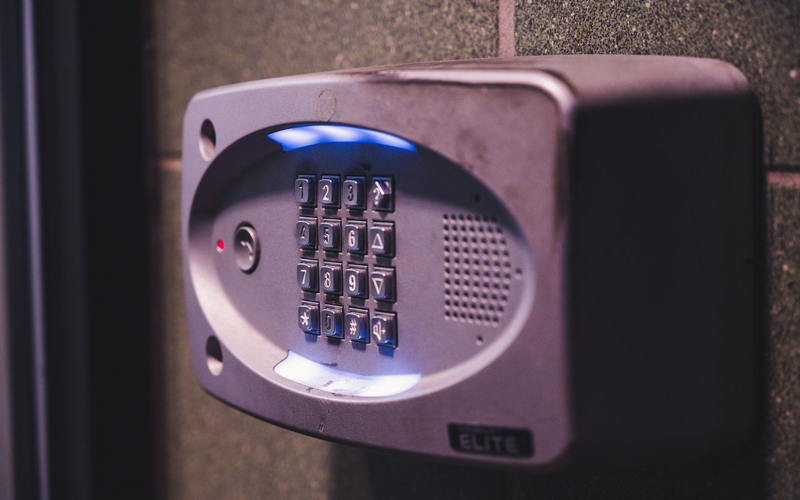
Your exterior locks face the brunt of fall weather conditions, making them particularly vulnerable to seasonal damage. Start by conducting a thorough inspection of all entry points, including front doors, back doors, garage entrances, and any gate locks you may have on your property. Look for visible signs of wear such as rust, corrosion, loose components, or difficulty turning the key.
Cleaning your locks is a simple yet effective preventive measure. Begin by using compressed air to blow out any debris, dust, or leaf particles that may have accumulated in the keyway. For deeper cleaning, you can use a cotton swab lightly dampened with rubbing alcohol to clean around the lock cylinder. Never use water-based cleaners, as these can introduce moisture that leads to rust and freezing issues later.
After cleaning, apply a graphite-based lubricant specifically designed for locks. Avoid using oil-based products like WD-40, which can attract dirt and gum up the internal mechanisms over time. Insert the lubricant nozzle into the keyway and apply a small amount, then insert your key several times to distribute the lubricant throughout the lock cylinder. This simple maintenance task can prevent many common fall and winter lock problems.
Test All Keys and Create Backup Copies
Fall is an ideal time to test all your keys and ensure they're working properly. Try each key in its corresponding lock, paying attention to any resistance, sticking, or difficulty turning. A key that's becoming difficult to use is often an early warning sign of internal lock wear or misalignment that will only worsen as temperatures drop.
If you notice any keys that are worn, bent, or damaged, have them replaced immediately. A worn key can break off inside a lock, leading to an emergency lockout situation. It's also wise to have backup keys made before winter arrives. Consider giving spare keys to trusted neighbors or family members who live nearby in St. Charles, or invest in a secure key lockbox for emergency access.
When having keys duplicated, always go to a professional locksmith rather than using automated kiosks at hardware stores. Professional locksmiths use higher-quality key blanks and precision cutting equipment, ensuring your copies will work smoothly and last longer. This is particularly important for high-security keys or those with specialized cuts that automated machines may not replicate accurately.
Upgrade to Weather-Resistant Lock Hardware
If your exterior locks are showing their age or you've experienced problems in previous fall and winter seasons, consider upgrading to weather-resistant hardware. Modern lock technology offers numerous options designed specifically to withstand harsh weather conditions common to the Midwest.
Look for locks with weatherproof rating specifications, which typically feature sealed components that prevent moisture intrusion. Stainless steel or brass locks offer superior corrosion resistance compared to standard metal alloys. For maximum protection, consider locks with protective covers or shrouds that shield the cylinder from direct exposure to rain, snow, and ice.
Deadbolts are essential for exterior door security, and upgrading to a Grade 1 ANSI-rated deadbolt provides both superior weather resistance and enhanced security. These premium locks feature hardened steel components and reinforced strike plates that resist both forced entry attempts and environmental degradation. While the initial investment is higher, quality weather-resistant locks will save you money on repairs and replacements in the long run.
Address Door Alignment and Weatherstripping Issues
Even the best locks won't function properly if your doors aren't properly aligned. Fall is an excellent time to check door alignment, as temperature changes throughout the year can cause wooden doors to swell or warp, and door frames to shift slightly. Signs of misalignment include difficulty closing the door, gaps around the frame, or a latch that doesn't engage smoothly with the strike plate.
To check alignment, close your door and examine the gaps around the frame. They should be consistent on all sides. If you notice uneven gaps or the door drags against the frame, adjustments are needed. Sometimes simple hinge tightening can resolve minor alignment issues, but persistent problems may require professional adjustment to prevent lock damage.
Weatherstripping serves dual purposes: it improves energy efficiency and protects your locks from moisture intrusion. Inspect the weatherstripping around all exterior doors for cracks, gaps, or deterioration. Replace any worn weatherstripping before cold weather arrives. Proper weatherstripping creates a seal that keeps moisture away from your locks while also reducing your heating costs throughout fall and winter.
Enhance Outdoor Lighting for Security
As daylight savings time ends and darkness arrives earlier each evening, outdoor lighting becomes crucial for home security. Well-lit entry points deter potential intruders and make it easier to see your locks when arriving home after dark. Fall is the perfect time to evaluate and upgrade your exterior lighting before winter's early sunsets arrive.
Install motion-activated lights near all entry points, including side doors, garage entrances, and back doors. These lights surprise potential intruders while also illuminating your path when you're fumbling for keys. LED bulbs are energy-efficient and provide bright, clear illumination that makes it easy to see keyholes even on the darkest nights.
Consider smart lighting systems that can be controlled remotely via smartphone apps. These systems allow you to turn lights on before you arrive home, create schedules that simulate occupancy when you're traveling, and receive alerts about activity near your doors. Integrating smart lighting with your overall home security strategy provides comprehensive protection throughout the fall and winter months.
Rekey or Change Locks After Summer Visitors
Many St. Charles homeowners host guests, contractors, or service providers during the summer months, and keys are often distributed for convenience. Fall is the ideal time to regain complete control over who has access to your home by rekeying or changing your locks.
Rekeying is a cost-effective alternative to complete lock replacement. A professional locksmith can reconfigure your existing locks to work with new keys, rendering all old keys useless. This service is particularly valuable if you're uncertain about how many copies of your keys exist or if you've had contractors, housesitters, or former tenants with access to your property.
For homes with older locks or if you're looking to upgrade security while changing access, complete lock replacement might be the better option. This allows you to install modern, high-security locks with advanced features like pick resistance, drill protection, and bump-proof cylinders. Many homeowners choose to rekey or change locks in the fall before the holiday season when packages and home valuables may make properties more attractive targets for thieves.
Service Your Garage Door and Opener
Garage doors are often overlooked in home security assessments, yet they represent one of the most vulnerable entry points for many homes. Fall maintenance for your garage door system should include both mechanical checks and security updates.
Test the automatic opener's safety features by placing an object in the door's path during closing. The door should immediately reverse when it detects the obstruction. If this safety feature isn't working properly, have it serviced immediately to prevent injuries and ensure proper function. Also check the emergency release mechanism to ensure you can manually open the door if the power fails during a fall storm.
Inspect the physical locks on your garage door if you have them. Manual locks should operate smoothly without sticking or binding. Lubricate all moving parts including hinges, rollers, and tracks. For garage doors with smart openers, update the security codes and ensure your smartphone apps are current. Consider upgrading to a garage door opener with rolling code technology, which generates a new access code each time you use the remote, preventing code grabbing by potential intruders.
Install or Upgrade Smart Lock Technology
Fall is an excellent time to consider adding smart lock technology to your home security system. Smart locks offer numerous advantages that are particularly beneficial as we head into the holiday season, including remote access control, temporary access codes for guests or service providers, and detailed logs of who enters and exits your home.
Modern smart locks can be operated via smartphone apps, keypads, or even voice commands through home automation systems. Many models send notifications when doors are locked or unlocked, providing peace of mind when you're away from home or want to verify that family members arrived safely. This technology is especially useful during fall and winter when children return home from school in darkness.
When selecting a smart lock, choose models from reputable manufacturers with proven security records. Look for features like automatic locking after a specified time period, built-in alarms for forced entry attempts, and backup mechanical keys for power outage situations. Professional installation ensures proper setup, integration with existing door hardware, and reliable operation throughout varying weather conditions.
Check and Update Your Security System
If your home has a comprehensive security system, fall is the perfect time for a complete system check. Test all door and window sensors to ensure they're communicating properly with the main control panel. Replace batteries in wireless sensors before cold weather arrives, as battery performance decreases in lower temperatures.
Update your security system's contact information and ensure emergency contacts are current. Review your security footage storage and consider upgrading to cloud-based storage if you're still using local recording devices. Fall is also a good time to add additional cameras to cover areas that become darker earlier in the evening, such as side yards or back entrances.
Schedule a professional security system inspection if your system is more than a few years old. Technology advances rapidly, and newer systems offer features like smartphone integration, video doorbells, and artificial intelligence that can distinguish between package deliveries and potential security threats. Many St. Charles homeowners find that upgrading security systems in fall, before the holiday shopping season, provides enhanced protection when it's needed most.
Secure Sliding Doors and Windows
Sliding glass doors and windows are often targets for break-ins, particularly as homeowners begin closing their homes for winter and may not notice attempted entries as quickly. Fall maintenance should include inspecting all sliding door and window locks for proper operation.
For sliding glass doors, test the primary lock mechanism and consider adding a security bar or Charlie bar that sits in the track, preventing the door from being forced open even if the lock is compromised. Check that sliding doors sit properly in their tracks and haven't shifted over the summer months. A door that's lifted from its track can often be defeated by intruders.
Window locks, particularly on first-floor and basement windows, deserve special attention. Many older homes have windows with simple latches that can be easily bypassed. Consider upgrading to keyed window locks or adding secondary security devices like window pins or wedges. For windows that don't need to open during winter months, consider using window security film that makes glass more difficult to break while also improving insulation.
Prepare for Potential Lockouts
Cold weather lockouts are more than just inconvenient—they can be dangerous. As temperatures drop in St. Charles during fall evenings, being locked out of your home becomes a serious concern. Take preventive measures now to avoid emergency situations later.
Develop a lockout prevention plan that includes multiple backup access options. This might include giving spare keys to trusted neighbors, installing a secure lockbox with a backup key (not hidden under doormats or flowerpots where burglars always look), or upgrading to smart locks that allow keyless entry. Make sure every family member knows the lockout plan and has access to emergency contact information.
Save the contact information for a reliable local locksmith in your phone before you need it. In emergency situations, particularly during cold weather, you don't want to be searching online for locksmith services while standing outside in freezing temperatures. Having a trusted locksmith's number readily available can save valuable time and reduce stress during lockout situations.
Educate Family Members on Fall Security Practices
Home security is most effective when everyone in the household participates. Use the fall season as an opportunity to review security practices with all family members, including children who may be old enough to have house keys.
Teach family members to always lock doors immediately upon entering or leaving the home, a habit that's especially important as darkness arrives earlier each day. Review proper key handling and storage, emphasizing that keys should never be left in outdoor hiding spots or under doormats. For children with house keys, consider using breakaway lanyards or keychain systems that keep keys secure but accessible.
Discuss what to do if someone notices a lock isn't working properly, finds a door ajar when arriving home, or discovers signs of tampering with locks or doors. Establishing clear communication protocols ensures that potential security issues are addressed immediately rather than ignored or forgotten. Regular family discussions about home security reinforce its importance and keep everyone vigilant.
Winterize Outdoor Locks and Security Features
As fall progresses toward winter, St. Charles homeowners need to prepare outdoor locks for freezing temperatures. While full winterization may wait until late fall, starting preparations now prevents last-minute rushing when the first freeze arrives.
Consider installing lock covers or protective housings on exterior locks that face prevailing winds or receive direct exposure to rain and snow. These simple additions can prevent moisture from entering locks and freezing overnight. For locks that aren't used frequently during winter months, such as shed or gate locks, apply a heavier coating of graphite lubricant and consider covering them with weatherproof tape or plastic covers.
Outdoor security cameras and motion sensors also need preparation for colder weather. Verify that all outdoor security equipment is rated for cold weather operation. Clean camera lenses and check that all mounting hardware is secure and weatherproof. Consider adding heating elements to cameras in locations prone to ice accumulation, ensuring clear visibility throughout winter months.
Schedule Professional Lock Maintenance
While many fall locksmith maintenance tasks can be completed by homeowners, scheduling a professional locksmith inspection provides comprehensive assessment and peace of mind. Professional locksmiths have specialized tools and expertise to identify issues that may not be obvious to untrained eyes.
A professional locksmith inspection typically includes testing all locks for proper operation, checking door alignment and strike plate positioning, assessing overall security vulnerabilities, and recommending upgrades where appropriate. Locksmiths can also perform precise adjustments that improve lock function and extend the life of your hardware.
Fall is an ideal time for this service because it's typically less busy than winter emergency seasons, meaning you can schedule appointments more flexibly and receive thorough attention. Professional maintenance performed in fall can prevent costly emergency service calls during winter holidays when locksmiths are busiest and weather conditions make service calls more challenging.
Consider Commercial-Grade Hardware for High-Traffic Entries
For entry doors that see heavy use, such as doors connecting homes to attached garages or primary entry doors used by large families, consider upgrading to commercial-grade hardware. These locks are engineered for higher use cycles and greater durability than standard residential locks.
Commercial-grade locks feature heavier springs, hardened steel components, and reinforced mechanisms that withstand frequent use without deteriorating. While more expensive than standard residential locks, they require less maintenance and last significantly longer, making them cost-effective for high-traffic applications.
The fall season, when children return to school and families establish new routines, is an excellent time to evaluate which doors receive the most use and might benefit from commercial-grade upgrades. Professional locksmiths can recommend appropriate hardware based on your specific usage patterns and security requirements.
Document Your Lock and Key Inventory
Create or update a comprehensive inventory of all locks and keys in your home this fall. This documentation proves invaluable for maintenance planning, security audits, and emergency situations. Your inventory should include the location of each lock, the type and brand, when it was installed, key codes if available, and notes